Receiving a cancer diagnosis can be overwhelming, but with the right guidance and support, individuals facing common types of cancer in Malaysia can navigate their journey more effectively and understand their causes. In this article, you will be able to learn valuable tips for going through cancer, covering aspects from diagnosis to treatment and beyond.
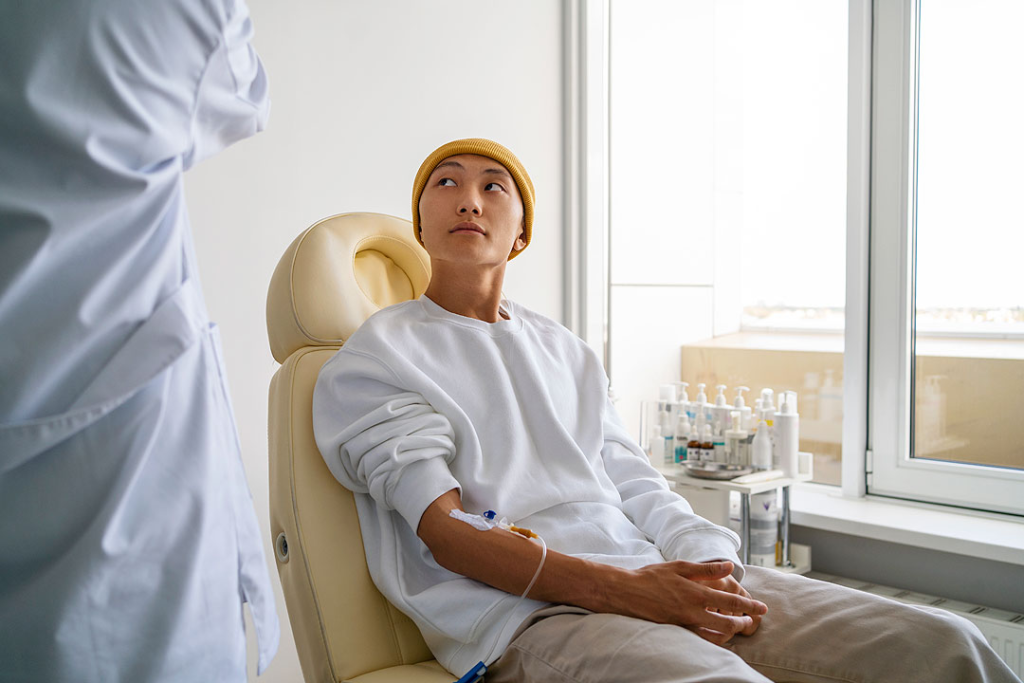
Breast Cancer: Empowering Tips for Patients
Understanding breast cancer involves a deep dive into its types, symptoms, and the various treatment options available. This knowledge is crucial for anyone navigating this health challenge.

Alongside this education, building a strong support system is vital. Friends, family, and support groups can offer invaluable emotional strength and comfort. A healthy lifestyle is another cornerstone in managing breast cancer. A balanced diet and regular exercise not only bolster physical health but also contribute to overall well-being.
Open communication is another key aspect. It’s important to have candid discussions with medical professionals, from doctors to specialists, about treatment options and any concerns. This open dialogue ensures that care is tailored to individual needs and circumstances.
Finally, regular screenings are an essential part of breast cancer management. Adhering to recommended schedules helps in early detection, significantly improving the effectiveness of treatment. Visit SJMC for breast cancer.
Childhood Cancer (Including Leukaemia): Supporting Young Warriors
When managing childhood cancer, including common types like leukaemia, forming a strong partnership with a pediatric oncology team is essential for comprehensive care. This team approach ensures that every aspect of the child’s health is considered and treated, often involving specialized treatments tailored for children.
Emotional well-being is also paramount, and it can be nurtured through counseling and support groups, providing both the child and family with the necessary emotional resources to navigate this challenging journey. Maintaining a consistent routine is crucial in establishing a sense of normalcy for the child during treatment, helping them feel more secure and less overwhelmed by the changes in their life.
Nutrition plays a significant role as well; a balanced diet is key in supporting the child’s strength and resilience during treatment. It’s important to ensure that the child receives all the necessary nutrients to help their body cope with the demands of cancer therapy, including treatments like chemotherapy and, in some cases, radiotherapy or stem cell transplants.
Colorectal Cancer: Strategies for Resilience
When facing colon cancer treatment, it’s vital to work closely with a colorectal specialist. Understanding the nuances of your treatment plan and what to expect can help you prepare mentally and physically for the journey ahead.
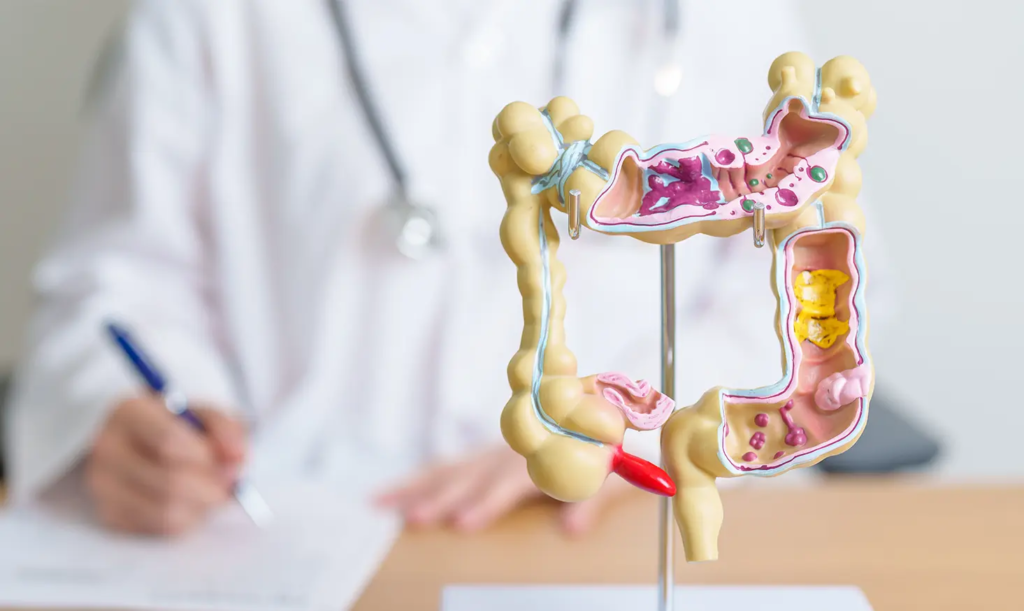
Dietary changes also play a crucial role in managing colon cancer. Adopting a diet rich in fiber and nutrients is not only beneficial for digestive health but can also aid in recovery and overall well-being.
Building a support network is another key aspect of managing colon cancer. Connecting with colorectal cancer support groups allows you to share experiences, gain advice, and find comfort in the company of those who understand your journey.
Regular exercise is also important, as it can enhance energy levels and maintain overall well-being. However, it’s important to consult with your surgeon or healthcare provider before making any significant changes to your exercise habits, to ensure they align with your treatment plan.
Lung Cancer: Empowering Tips for Patients
For those undergoing lung cancer treatment, quitting smoking is a crucial step. Smoking cessation can significantly improve the effectiveness of treatments against lung cancer cells, aiding in recovery and overall health.
Breathing exercises are also beneficial, as they can help enhance lung capacity and contribute to general well-being, making it easier to cope with the effects of lung cancer and its treatments, which may include surgery, chemotherapy, targeted therapy, immunotherapy, and radiotherapy. Explore SJMC radiotherapy here.
Maintaining an open dialogue with your healthcare team is essential. Communicating any symptoms or concerns you have allows for better management of your condition and ensures that your treatment is as effective as possible. In addition to medical treatments, consider exploring supportive therapies like massage and acupuncture.
These can be effective in managing side effects and improving your quality of life during treatment. Finally, adopting a healthy lifestyle is key. This includes focusing on nutrition and engaging in regular exercise. A balanced diet and physical activity can boost your immune system, help manage symptoms, and improve your overall health, making you better equipped to face the challenges of lung cancer treatment.
Nasopharyngeal Carcinoma (NPC): Strategies for Coping:
Recognizing early symptoms is key in the management of Nasopharyngeal Carcinoma (NPC). Vigilance for signs like a persistent sore throat or nasal congestion, and seeking medical attention promptly, can lead to early detection, which is crucial for effective treatment.
Collaborating closely with ENT specialists and oncologists is vital for a well-coordinated and effective treatment plan. These professionals bring together their expertise to create a treatment strategy tailored to each individual’s condition.
Nutritional support is another important aspect of NPC management. Optimizing nutrition helps support the body during treatment and recovery, aiding in maintaining strength and enhancing the immune system.
Lastly, adhering to regular check-ups and follow-up appointments is essential for ongoing monitoring and support. These appointments allow for the tracking of treatment progress and the early detection of any complications, ensuring continuous and effective care.
Brain Tumour / Cancer: Navigating Neurological Challenges
A diagnosis of a brain tumour or cancer presents unique challenges, often requiring a highly specialised neuro-oncology team. Understanding the specific type and grade of the tumour, along with its potential impact on neurological functions, is crucial. Treatment plans are highly individualised and may involve surgery, radiotherapy (including stereotactic radiosurgery), chemotherapy, or targeted therapies.
Building a strong support system that includes family, friends, and support groups for brain tumour patients can provide invaluable emotional and practical assistance. Rehabilitation services, such as physical therapy, occupational therapy, and speech therapy, are often essential to manage symptoms and regain function.
Open communication with your medical team about any changes in symptoms or side effects of treatment is paramount to ensure the best possible quality of life throughout your journey. Learn more about brain tumours!
Conclusion
Facing common types of cancer in Malaysia requires a holistic approach, encompassing physical, emotional, and social well-being. By incorporating these tips into their journey, patients can empower themselves to navigate the challenges of cancer treatment and enhance their overall quality of life.
With the support of medical professionals, family, community, and the facilities of Subang Jaya Medical Centre in Malaysia, individuals can find strength and resilience as they continue their journey towards recovery and wellness.