Choosing a Chopping Board in Singapore: Material, Size and Food Safety
A chopping board is a food-contact tool, not just a slab
In a Singapore kitchen, the chopping board takes heat from humidity, small counters and mixed cooking styles. Material choice matters, but so do size, stability and cleaning habits. Collection pages for chopping and serving boards show shape and finish options; your knife habits and sink routine decide which option survives a year.
Food safety agencies keep returning to the same theme: separate raw and ready-to-eat work, clean promptly, and replace boards that are deeply scarred. The WHO food safety fact sheet frames why cross-contamination still causes illness worldwide. Local consumer hubs such as Singapore’s SFA reinforce practical hygiene expectations even when you cook only for your household.
If you meal-prep on Sundays and stir-fry late on weeknights, you are already asking one board to do two jobs. That is fine until raw marinade and fruit salad share a scarred groove. Habit beats material mythology here.
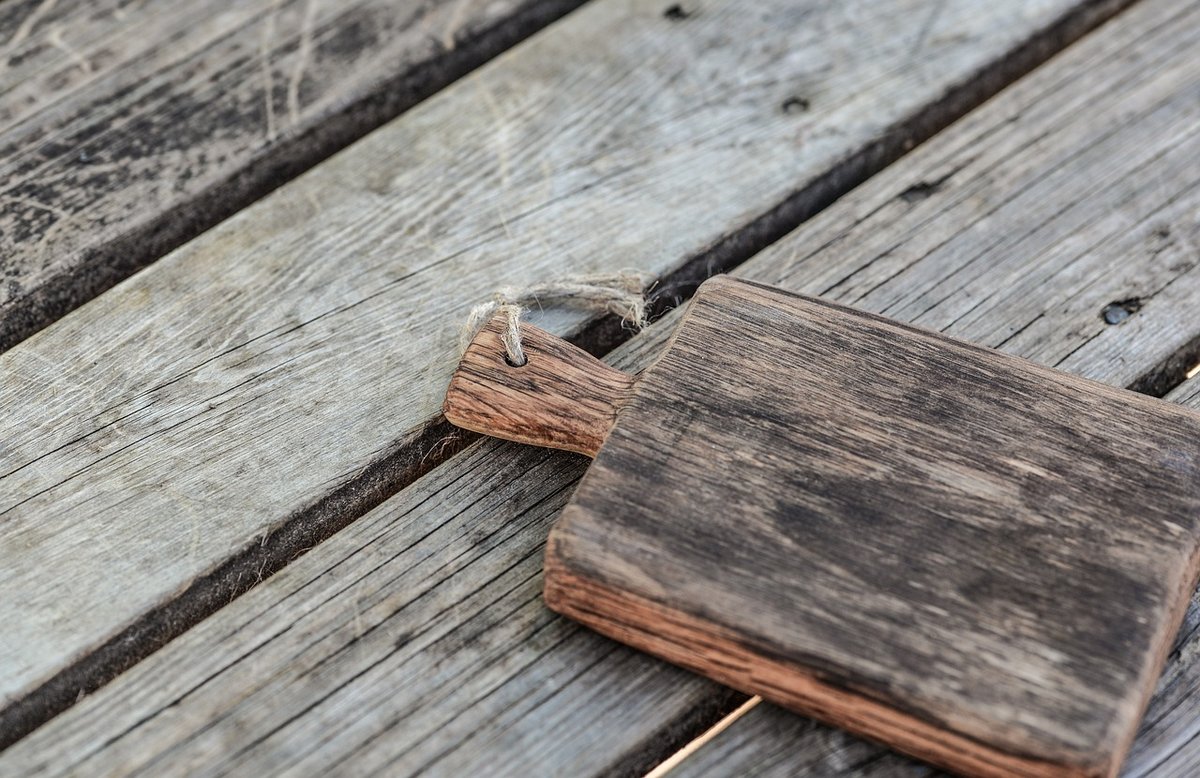
Wood, plastic and the jobs they do best
Plastic boards are light, often dishwasher-safe, and easy to colour-code for raw meat versus vegetables. Wood and some composites feel kinder on knife edges and look better on the table when you serve cheese or fruit. Neither material forgives leaving raw chicken juice on the surface while you answer a message.
If you only own one board in a tight kitchen, wash with hot soapy water after raw protein, rinse, and stand it to dry. Do not soak wood for long periods. When grooves stay wet and grey, retire the board. Serving on a pretty board is fine after a clean prep board did the raw work. Colour codes only help if everyone in the household agrees what red and green mean.
A side-by-side look at wood versus plastic boards and everyday cleaning trade-offs.
Size, grip and how pans enter the story
Choose a board large enough for a whole chicken or a pile of leafy vegetables without scraps falling onto the counter. Non-slip feet or a damp towel underneath stop dangerous sliding. Round edge boards may look elegant for serving; rectangular boards usually win for heavy prep.
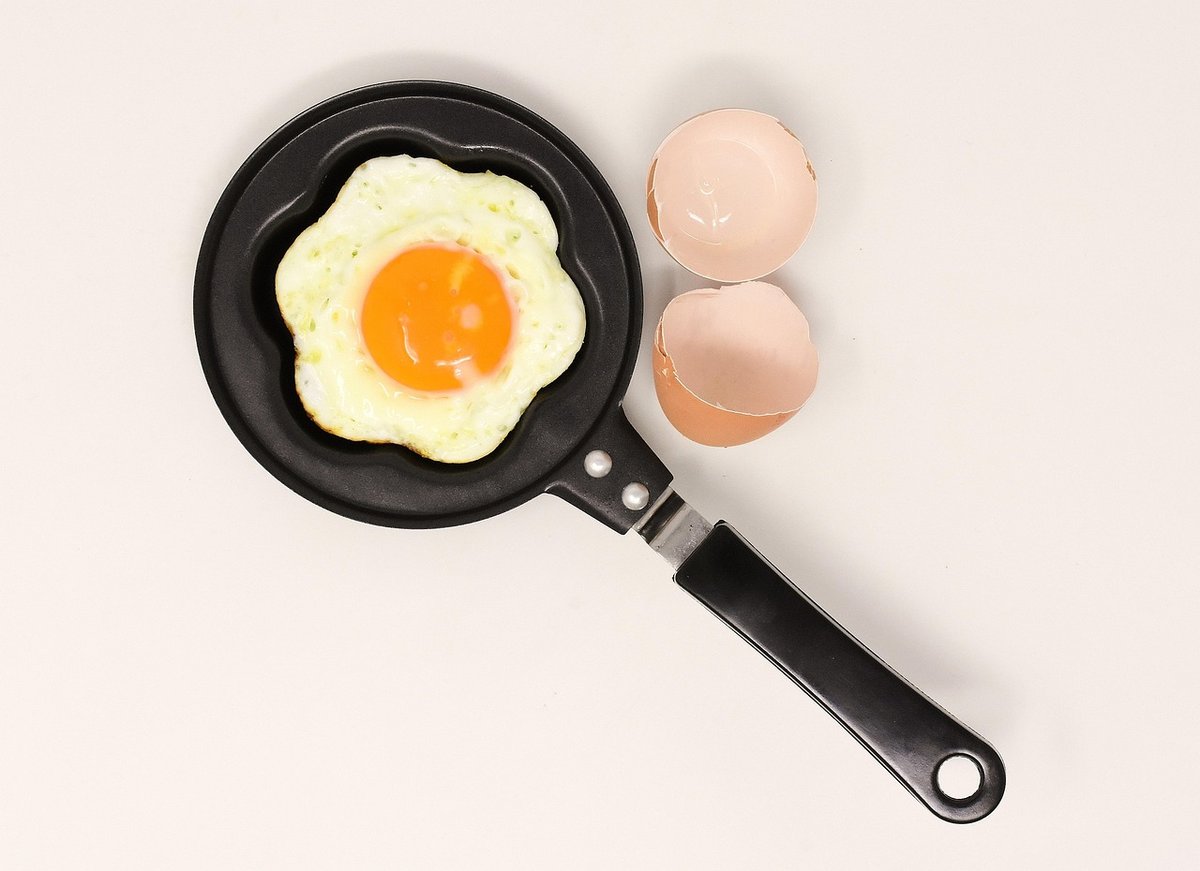
Cookware choices affect the same counter workflow. A stable board next to a busy hob matters when you move from chopping aromatics to a hot pan. Browsing cookware collections or frying pan ranges is less about brand loyalty and more about noticing how handle length, weight and board height fit your stove layout. A pan that feels fine in a shop can feel awkward if your board sits too high or too far from the flame.
Cleaning and replacement signs
Warping, persistent odours, black mould spots and deep trenches are retirement signals. Plastic that survives the dishwasher but comes out cloudy and scarred still needs replacing. Wood that never fully dries in a humid cupboard will smell like the cupboard. HealthHub’s general healthy living library at HealthHub is a local place to revisit household hygiene habits when you want reminders beyond kitchenware shopping.
Keep a cheap second board if budget allows. Use it only for raw meat. That single habit prevents more trouble than arguing about which wood species is “antibacterial” on a forum. Replace boards on a schedule you can remember, such as every festive season clear-out, rather than waiting for a scare.
Match the board to the work for the week
Weekend batch cooking needs a larger surface. Weeknight salads need something you will actually wash at 10 pm. Serving boards can stay prettier if they never meet raw poultry. Write those jobs down once, then buy for the jobs, not for the drawer you wish you had. A chopping board that fits your sink, your knives and your honesty about cleaning will outperform a heavier board that looks better in a catalogue photo. Singapore kitchens reward tools that dry fast and store upright without drama.